Macadamia trees thrive in fertile, humus-rich volcanic soils, where balanced soil health is essential for strong tree performance and high-quality nuts. Their extensive root systems support meaningful carbon sequestration, while returning organic matter, such as composted tree waste, builds soil carbon, feeds soil biology, and strengthens resilience to climate change.
Working in harmony with nature
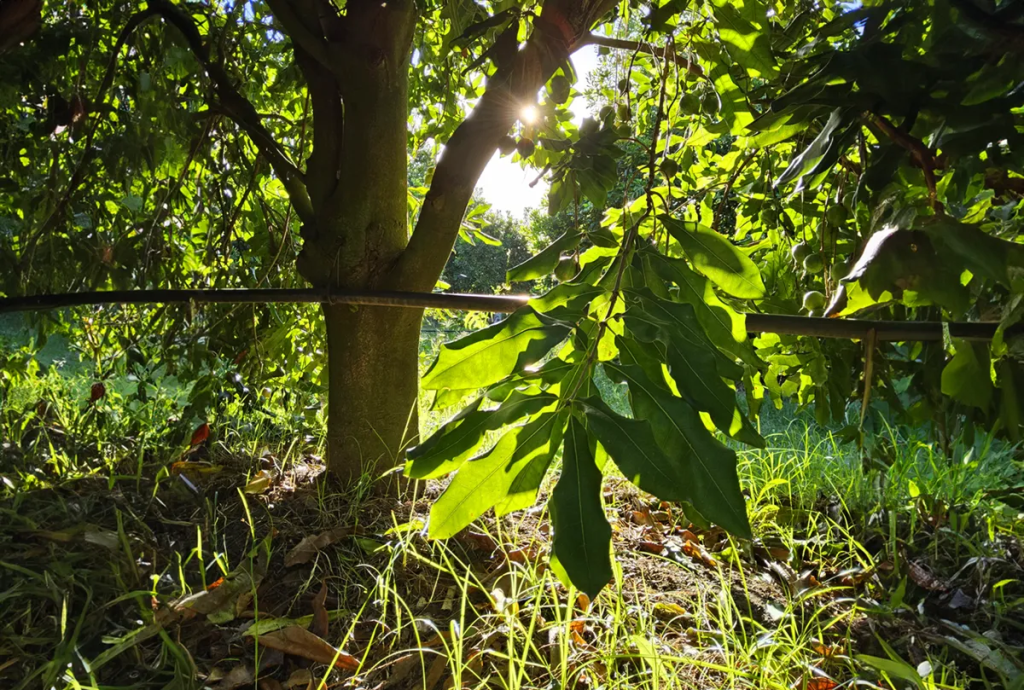
Native to the regions where we grow them, macadamias are not only exceptional to eat — they also play a positive role in the environment. Their deep root systems improve soil structure and build organic matter, helping to reduce erosion and minimise water run-off — a crucial factor in protecting sensitive ecosystems such as the Great Barrier Reef.
A key strength of macadamia farming lies in the tree’s perennial nature. Once established, orchards flourish year after year without the need for regular ploughing. This preserves soil integrity and reduces the carbon emissions typically associated with intensive farming practices. Natural mulch from the trees further enriches the soil, creating a regenerative cycle that supports long-term orchard health.
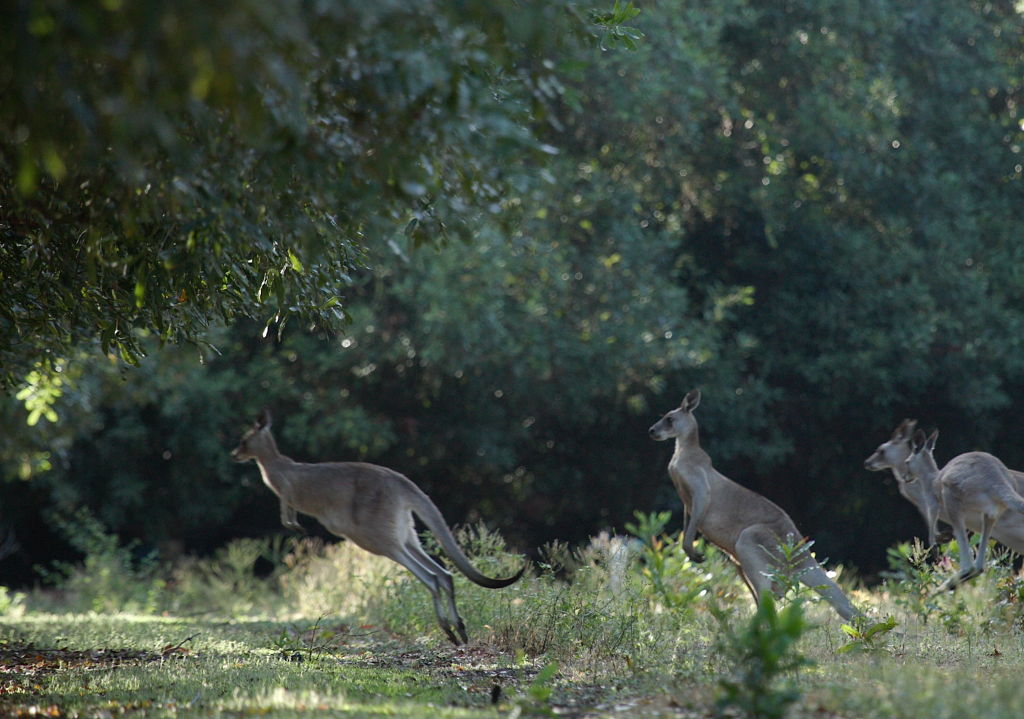
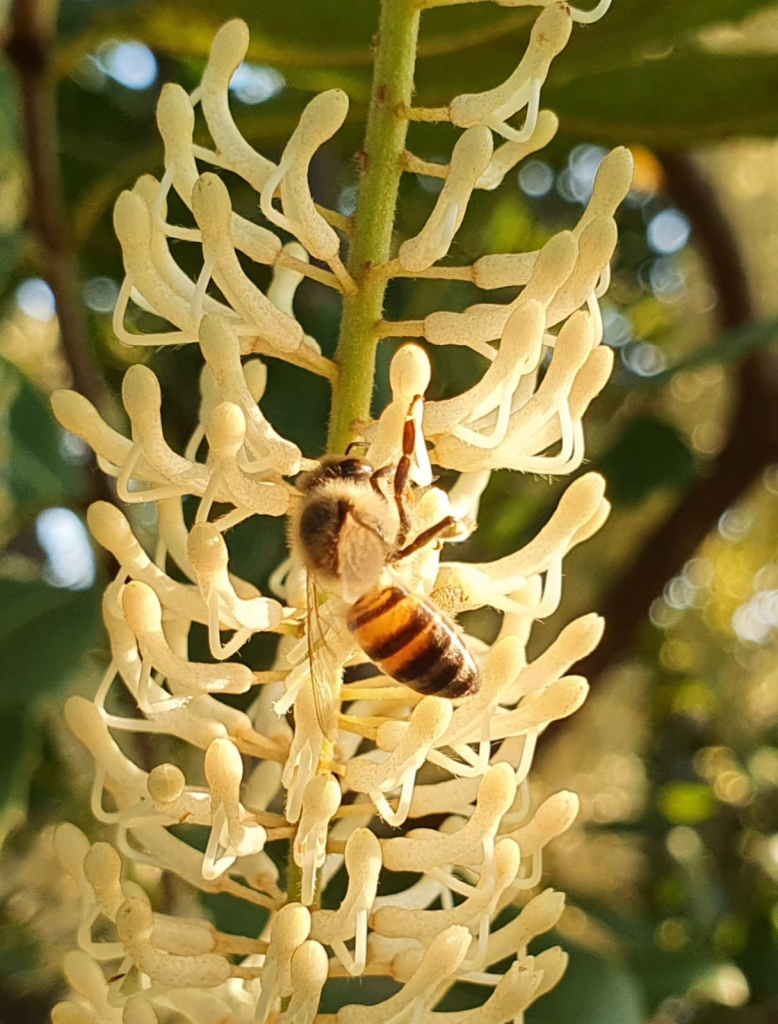
Macadamia orchards also provide a thriving habitat for pollinators. Native bees and beneficial insects are drawn to the abundant blossoms, strengthening biodiversity and supporting the resilience of Australia’s unique ecosystems.
Sustainable agriculture
The sustainability of macadamia nut farming, particularly in Australia, has gained significant attention due to its various environmental benefits and initiatives aimed at improving farming practices. Research and practices in macadamia nut farming have highlighted several key areas where these nuts contribute to environmental sustainability.
Soil Health and Carbon Sequestration

Water Use Efficiency

Macadamia trees naturally optimise water use by closing stomatal pores during low moisture conditions, improving drought resilience. This efficiency helps maintain yields under environmental stress, supporting a reliable and consistent supply.
Recycling and Minimising Waste

The Australian macadamia industry minimises carbon and waste by reusing every part of the tree and nut. Shells are used for energy or biochar, while husk and tree material are returned to the soil, supporting a low-waste, circular economy. Find out more
Biodiversity and Pest Management

The industry enhances biodiversity by planting and retaining diverse species around native macadamia trees. These landscapes support beneficial insects, naturally reducing pests and minimising the need for chemical intervention.
Sustainable Practices and Innovations

The Australian macadamia industry leads in eco-sensitive practices, earning perfect scores in the National Residue Survey for over 20 years. Its innovative, sustainable approach shows that productivity and sustainability can go hand in hand.
Our sustainability practices and environmental stewardship ensure the preservation of our local ecosystems.
Leading the way in sustainable macadamia farming
At Australian Premium Macadamias, our future vision revolves around further enhancing sustainable practices in our operations. We are committed to expanding our efforts in carbon sequestration through the cultivation of macadamia trees, aiming to offset more carbon emissions and contribute to mitigating climate change.
Additionally, we will continue to prioritise soil health, biodiversity conservation, and minimise environmental impacts, ensuring that our macadamia orchards remain not just a source of premium nuts but also a model of sustainable agriculture for generations to come.
At the heart of Central Queensland
Quality Certification